Archives
- 2018-07
- 2018-10
- 2018-11
- 2019-04
- 2019-05
- 2019-06
- 2019-07
- 2019-08
- 2019-09
- 2019-10
- 2019-11
- 2019-12
- 2020-01
- 2020-02
- 2020-03
- 2020-04
- 2020-05
- 2020-06
- 2020-07
- 2020-08
- 2020-09
- 2020-10
- 2020-11
- 2020-12
- 2021-01
- 2021-02
- 2021-03
- 2021-04
- 2021-05
- 2021-06
- 2021-07
- 2021-08
- 2021-09
- 2021-10
- 2021-11
- 2021-12
- 2022-01
- 2022-02
- 2022-03
- 2022-04
- 2022-05
- 2022-06
- 2022-07
- 2022-08
- 2022-09
- 2022-10
- 2022-11
- 2022-12
- 2023-01
- 2023-02
- 2023-03
- 2023-04
- 2023-05
- 2023-06
- 2023-08
- 2023-09
- 2023-10
- 2023-11
- 2023-12
- 2024-01
- 2024-02
- 2024-03
- 2024-04
- 2024-05
-
r78 If overexpression of ADK is sufficient to
2024-05-17
If overexpression of ADK is sufficient to induce spontaneous seizures, then reduction of ADK in engineered mice should prevent epileptogenesis. The generation of mice with moderately reduced levels of ADK in brain rather than complete ADK deficiency seems to be essential, since several lines of evid
-
Comparison of the GLUT positive plus ACLY
2024-05-16
Comparison of the GLUT1-positive plus ACLY negative group with the GLUT1-negative plus ACLY positive group indicated no significant difference with respect to disease-free survival and overall survival. However, some obvious differences in histological types were found in their formation. A previous
-
imatinib mesylate Introduction Hepatocellular carcinoma HCC
2024-05-16
Introduction Hepatocellular carcinoma (HCC) is one of the most difficult cancers to treat, and it threatens human health severely [1]. Although various interventions, including surgical operation, radiofrequency ablation, and chemotherapy, have been endorsed, the prognosis of HCC patients remains p
-
Intriguingly androgens may also have an
2024-05-16
Intriguingly androgens may also have an indirect effect on AR gene expression through inhibition of the GATA2 transcription factor gene (He et al., 2014) (Table 1). Using ChIP-seq, GATA2 was found to bind to a regulatory element 5.5 kb upstream of the TSS of the AR gene and enhanced transcription,
-
br Concluding remarks The past
2024-05-16
Concluding remarks The past decade has seen rapid advances in our understanding of the metabolic reprogramming that occurs during tumorigenesis. Strategies to target specific nodes of cancer cell amino Y27632 metabolism have progressed from preclinical studies to clinical trials, and are showing
-
It was recently shown that
2024-05-16

It was recently shown that AHR and HIF-1α cooperate to support the metabolism of Tr1 L-690,330 [6]. Interestingly, AHR and HIF-1α act sequentially to orchestrate the metabolic remodeling of lymphocytes. While HIF-1α regulates the early metabolic reprogramming of Tr1 cells, AHR takes over at later t
-
In our previous study adiponectin system genes
2024-05-16
In our previous study, adiponectin system (genes and proteins) expression in the porcine endometrium and myometrium was observed on Days 2 to 3, 10 to 12, 14 to 16, and 17 to 19 of the estrous cycle [23]. Adiponectin receptors expression (mRNA) in the porcine endometrium was described by Lord et al
-
It is already established in the
2024-05-15
It is already established in the literature that products synthesized by 5-LO, such as lipoxin A4, can activate PPARγ in a setting of experimental stroke [43]. Interestingly, experiments using 5-LO knockout mice in an endotoxemia model to mimic septic conditions, demonstrated reduced multiple organ
-
br Conflict of interest statement br Benign prostatic hyperp
2024-05-15
Conflict of interest statement Benign prostatic hyperplasia (BPH) is a highly complex process characterized by an increased number of epithelial and stromal leukotriene receptor antagonists in the transition zone. , , Autopsy studies by McNeal detail the evolution of histological changes with
-
Furthermore low affinity sites that share no structural
2024-05-15
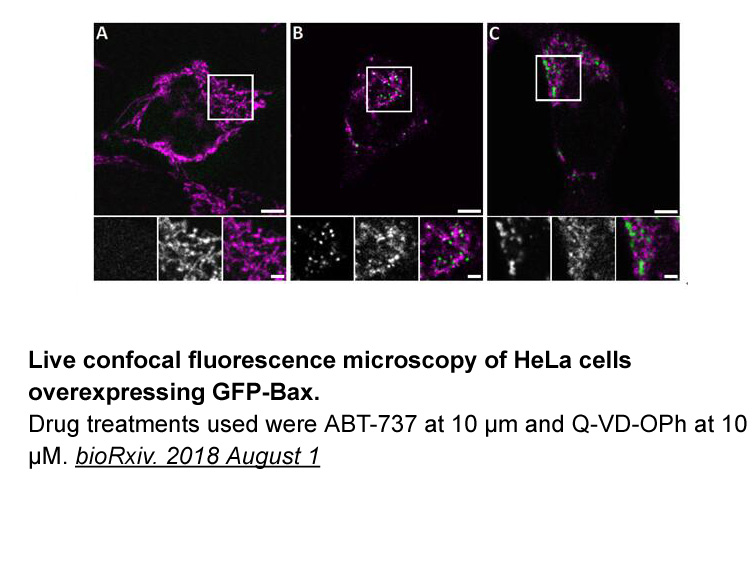
Furthermore, low-affinity sites that share no structural homology with the aforementioned sites have been described in the transmembrane domain. It has been discovered that, in α1βγ2 receptors, potentiation of GABA-activated currents by high concentrations of diazepam is biphasic, with a high- and a
-
br Conclusions br Author declaration br
2024-05-15

Conclusions Author declaration Acknowledgements Introduction ASK1 scaffolding proteins ASK1 adaptor proteins Conclusions Scaffolding and adaptor proteins can coordinate the specific activation of a MAP3K-MAP2K-MAPK pathway in response to various stimuli. For example, both Carmof
-
ripasudil Molecular docking quantitative structure activity
2024-05-15
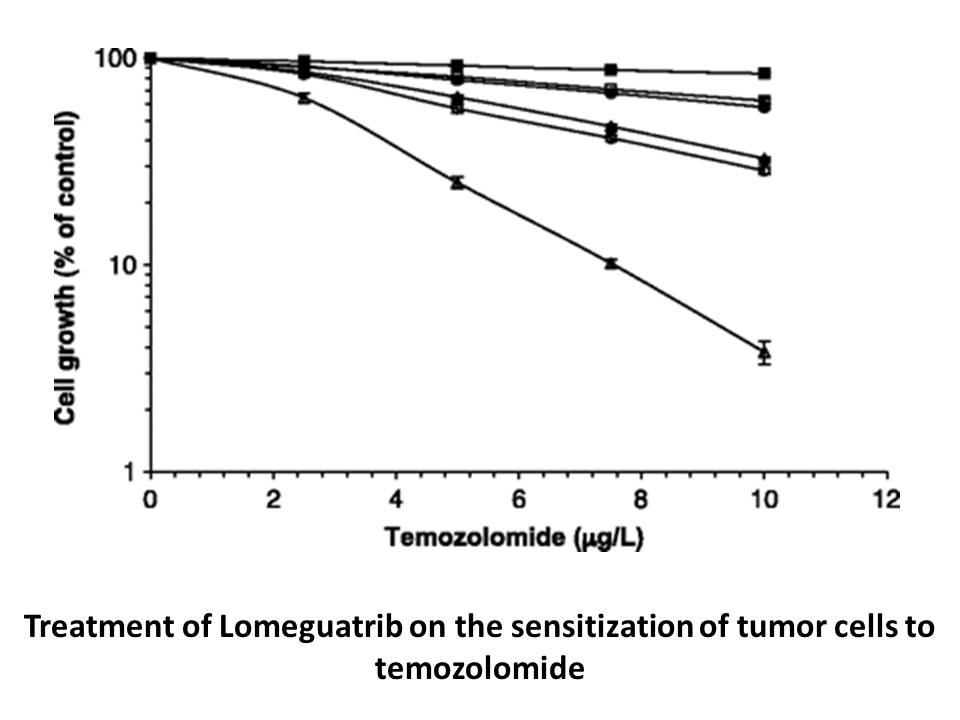
Molecular docking, quantitative structure–activity relationship (QSAR) and high-throughput virtual screening (HTVS) studies have a very widespread use in computer-assisted drug design.25, 26, 27, 28 Suvannang et al. used the published X-ray crystallographic data to examine known aromatase inhibitors
-
Thus a majority of known chemical and
2024-05-15
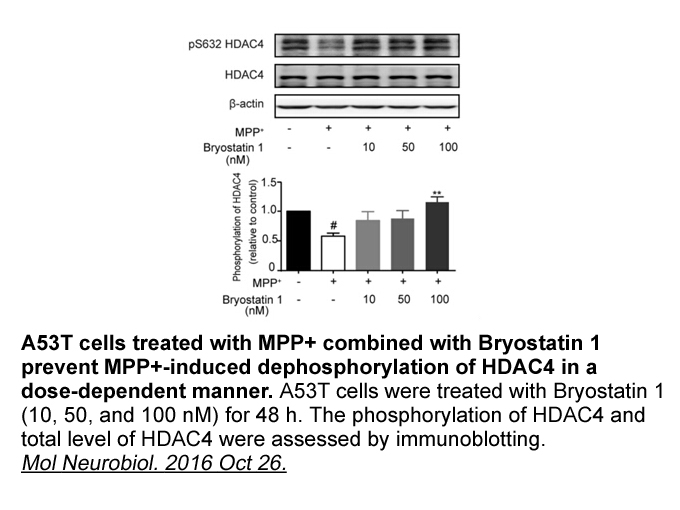
Thus, a majority of known chemical and physico-chemical methods of metallic ions assay has a number of disadvantages, such as a low sensitivity and selectivity, high costs and complexity of the equipment. Therefore, the development of simple cost-effective sensitive methods of quantitative analysis
-
In our previous report salivary arginase levels were found t
2024-05-15
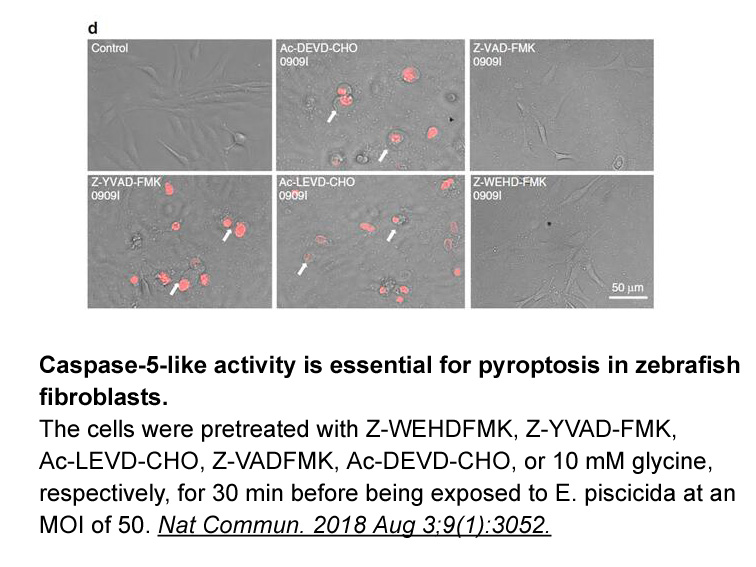
In our previous report, salivary arginase levels were found to be higher in periodontitis patients compared to healthy controls (Ozmeriç, Elgün, & Uraz, 2000). However, only one study has investigated arginase ezyme in saliva in patients with dental implants in which smokers were also included. An i
-
Plant tissues were thought to
2024-05-15
Plant tissues were thought to be natural sources containing different types of antioxidant compounds (tocopherols, ascorbic acid, carotenoids, and phenolic compounds). As a general classification, antioxidants were grouped as vitamins (ascorbic acid, tocopherols), carotenoids (condensed tannins, xan