Archives
- 2026-06
- 2026-05
- 2026-04
- 2026-03
- 2026-02
- 2026-01
- 2025-12
- 2025-11
- 2025-10
- 2025-09
- 2025-03
- 2025-02
- 2025-01
- 2024-12
- 2024-11
- 2024-10
- 2024-09
- 2024-08
- 2024-07
- 2024-06
- 2024-05
- 2024-04
- 2024-03
- 2024-02
- 2024-01
- 2023-12
- 2023-11
- 2023-10
- 2023-09
- 2023-08
- 2023-06
- 2023-05
- 2023-04
- 2023-03
- 2023-02
- 2023-01
- 2022-12
- 2022-11
- 2022-10
- 2022-09
- 2022-08
- 2022-07
- 2022-06
- 2022-05
- 2022-04
- 2022-03
- 2022-02
- 2022-01
- 2021-12
- 2021-11
- 2021-10
- 2021-09
- 2021-08
- 2021-07
- 2021-06
- 2021-05
- 2021-04
- 2021-03
- 2021-02
- 2021-01
- 2020-12
- 2020-11
- 2020-10
- 2020-09
- 2020-08
- 2020-07
- 2020-06
- 2020-05
- 2020-04
- 2020-03
- 2020-02
- 2020-01
- 2019-12
- 2019-11
- 2019-10
- 2019-09
- 2019-08
- 2019-07
- 2019-06
- 2019-05
- 2019-04
- 2018-11
- 2018-10
- 2018-07
-
The reference standards methyl difluoro dioxolo benzo imidaz
2020-04-02
The reference standards methyl 3-((2,2-difluoro-5-[1,3]dioxolo[4′,5′:4,5]benzo[1,2-]imidazol-6-yl)carbamoyl)benzoate () and -(2,2-difluoro-5-[1,3]dioxolo[4′,5′:4,5]benzo[1,2-]imidazol-6-yl)-3-methoxybenzamide (), and their corresponding desmethylated precursors 3-((2,2-difluoro-5-[1,3]dioxolo[4′,5′:
-
In addition to carbamates organophosphates are
2020-04-02
In addition to carbamates, organophosphates are classic inhibitors of cholinesterases. Previous studies with aquatic organisms have demonstrated their sensitivity to such chemicals. For example, individuals of the freshwater fish Colossoma macropomum exposed to the organophosphate dichlorvos, chlorp
-
Role of ROS signaling in regulating
2020-04-02
Role of ROS signaling in regulating cell death pathways has been well established. Involvement of CLIC1 in ROS production has been studied earlier. It was observed that macrophages from clic1 mice showed ~30% decrease in cellular ROS generation which effects macrophage function (Jiang et al., 2012).
-
In different body organs a number of biological
2020-04-02

In different body organs, a number of biological functions are generally mediated by binding of the extracellular substances to the particular transmembrane receptors, which results in subsequent signal stimulation by intracellular signaling cascades. These cascades function over the complex network
-
The present study also showed
2020-04-02
The present study also showed that EP2 deficiency and EP4 antagonism significantly suppressed psoriatic Ellagic acid australia in an imiquimod model. Notably, however, the combined EP2 deficiency and EP4 antagonism did not completely suppress ear swelling in this model, possibly because there is th
-
The two most important biological machineries
2020-04-02
The two most important biological machineries controlling proteostasis, PQC, and degradation are autophagy and the ubiquitin-proteasome system (UPS) (). Autophagy is a lysosome-dependent, tightly regulated catabolic process that degrades unwanted cell organelles and cytoplasmic constituents in lysos
-
Elevation of plasma glucocorticoids as well as
2020-04-02
Elevation of plasma glucocorticoids as well as a sympathetic activation are highly adaptive mechanisms allowing the individual to cope in various situations [39]. Novelty-induced increase in locomotor activity, characterizing the bold fish herein, accompanied by elevated glucocorticoids is a well-es
-
Hepatocyte proliferation is accompanied by changing gene exp
2020-04-02
Hepatocyte proliferation is accompanied by changing gene expression [1,2]. as two of the three estrogen receptors are transcription factors: Estrogen Receptor alpha (ERα) and ERβ [[3], [4], [5]]. The most potent ligand estradiol, binds to ERα/ERβ and exerts changing cognate gene transcription [5]. O
-
br Introduction Hematopoietic stem cells and leukemic stem c
2020-04-02
Introduction Hematopoietic stem Caspase-1, human recombinant proteinase and leukemic stem cells (HSCs and LSCs, respectively) both have a capacity of self-renewal. Whereas HSCs give rise to all blood lineages during lifetime hematopoiesis, LSCs are responsible for the initiation and propagation
-
br Concluding remarks br Introduction
2020-04-01
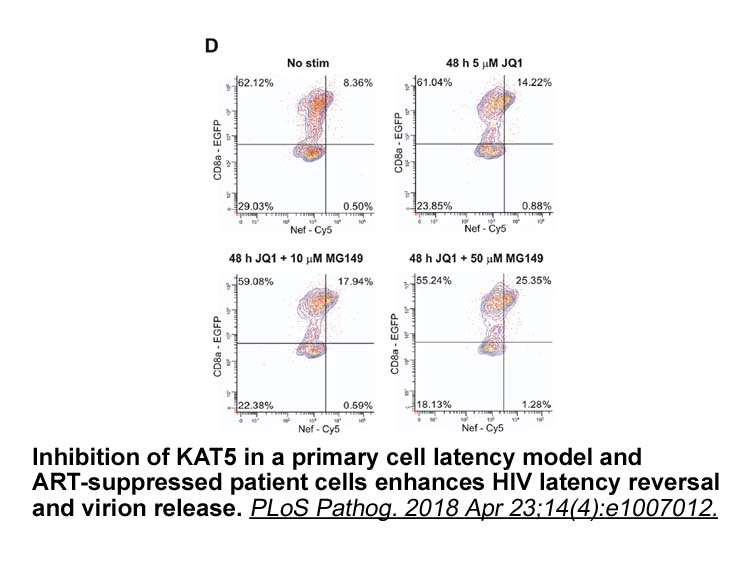
Concluding remarks Introduction Hypertrophic pachymeningitis (HP) is a neurologic disorder characterized by diffuse or focal thickening of the intracranial or spinal dura mater, presenting with intracranial hypertension, cranial nerve palsy and spinal cord dysfunction (Kupersmith et al., 2004;
-
Here we examine the associations between serum pro and anti
2020-04-01
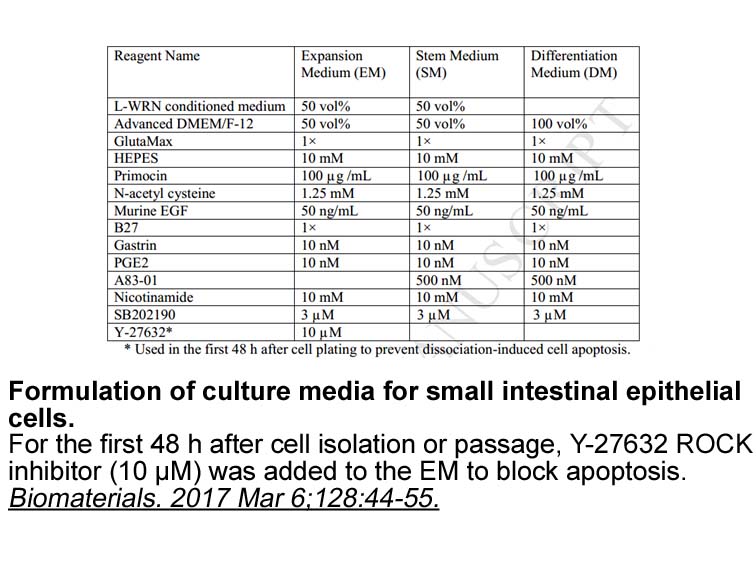
Here, we examine the associations between serum pro and anti-inflammatory cytokines and cognitive functioning in early-stage bipolar I disorder (BDI) patients. As per previous studies, ‘early-stage’ was defined as being within three years of the first manic episode (Kauer-Sant\'Anna et al., 2009). W
-
To assess which export pathway is used by
2020-04-01
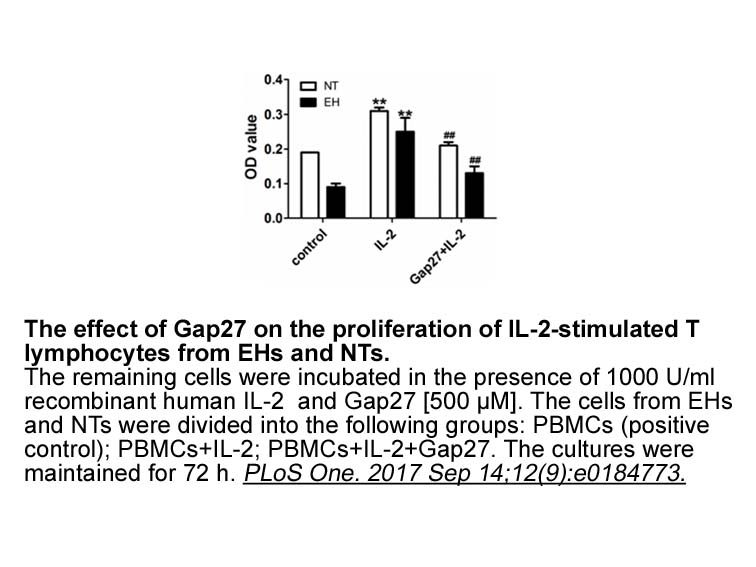
To assess which export pathway is used by the iNOS mRNA, we inhibited CRM1 activity by incubation of DLD-1 igf 1 antagonist with LMB. Since LMB covalently and exclusively binds to CRM1, it represents a potent and specific inhibitor of the CRM1 transport activity [38]. Inhibition of CRM1 activity as
-
In we studied normal rational
2020-04-01
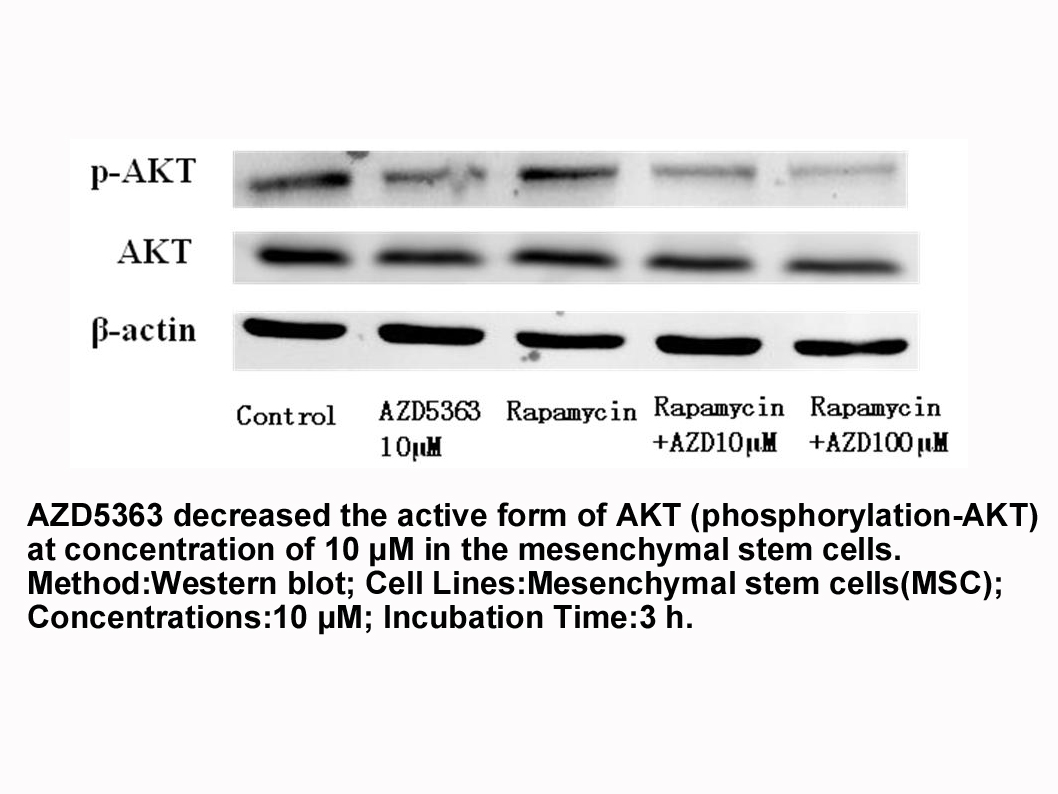
In [1] we studied normal, rational -varieties X of complexity one, where the latter means that X comes with an effective torus action such that holds. We showed that for affine X with and at most log terminal singularities, the iteration of Cox rings is possible. In the present article, we charac
-
The importance of EBI for B
2020-04-01
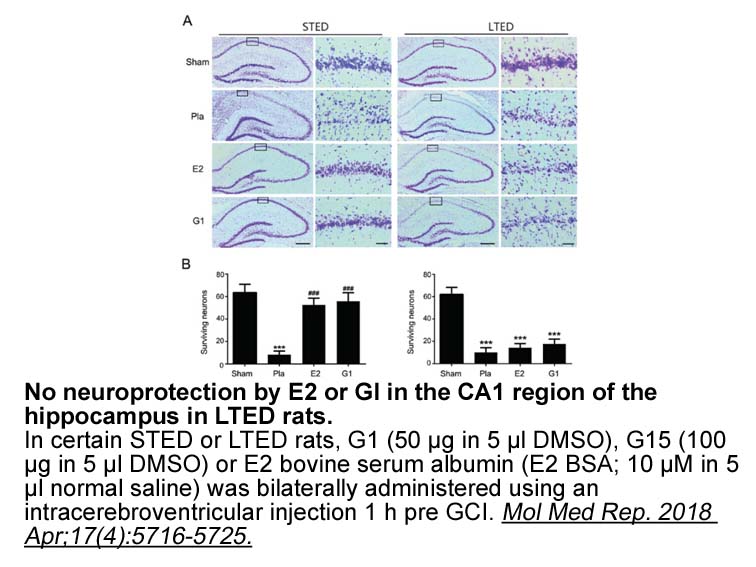
The importance of EBI2 for B cell function was first suggested by the dramatic upregulation of this receptor in EBV-transformed B cells and further inferred from its regulation in activated and GC B cells (Birkenbach et al., 1993, Glynne et al., 2000, Shaffer et al., 2000). An involvement of EBI2 in
-
Although the ferromagnetic particles and
2020-04-01
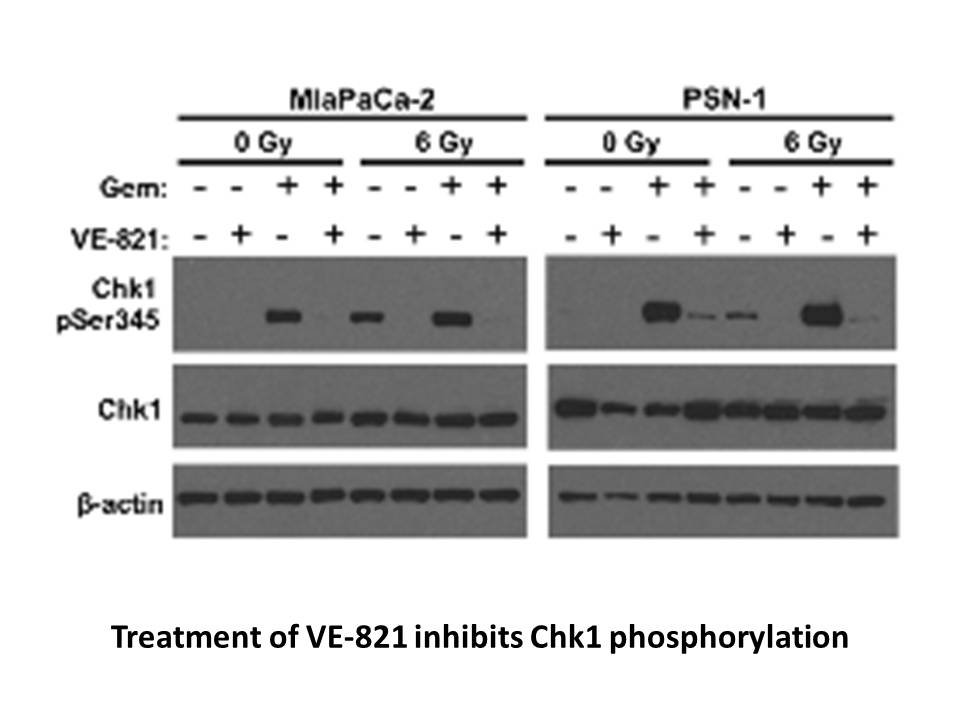
Although the ferromagnetic particles and T4 Ac-IETD-AFC on the particles were heated by the ac magnetic field, the average temperature of the reaction solution as a whole was kept suitably low for the annealing of DNA ends (16°C). Indeed, no appreciable increase in the temperature of the reaction s
16535 records 892/1103 page Previous Next First page 上5页 891892893894895 下5页 Last page